Decentralization Pull vs. Algorithmic Grip: Can Users Outweigh Mega-Platform Control?
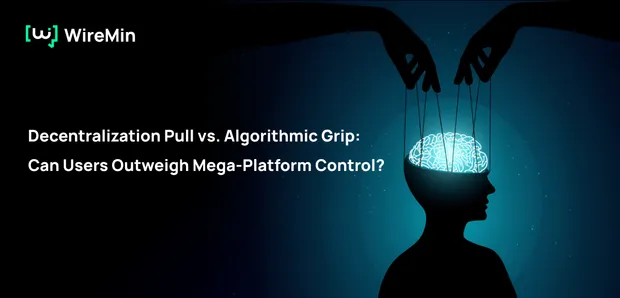
On May 14, 2022, a white supremacist gunman live-streamed his mass shooting at a Buffalo supermarket, killing ten Black Americans. His manifesto read: "I was not born racist... I became racist after I learned the truth." This horrifying event lays bare the devastating power of algorithmic echo chambers—how layered recommendation engines can funnel vulnerable individuals into spirals of hate, reinforce dehumanizing stereotypes, and ultimately lower the barrier from online prejudice to real-world violence.
Mega-platform algorithms silently dictate what billions see, believe, and fear, offering personalized discovery and convenience. Yet driven by profit through behavioral manipulation, they herd users into isolated bubbles, perpetuate dangerous misinformation, and strip individuals of control over their digital lives.
As algorithmic influence intensifies, the question becomes unavoidable: is there any escape from its algorithmic grip?
At the heart of these systems lies a cold economic logic: maximize user engagement to maximize profit. Companies like Meta, X (formerly Twitter), and TikTok have developed sophisticated algorithms that keep users hooked, not by accident, but by design. Through user behavior tracking, every click, every pause, every like is tracked, quantified, and fed into massive machine learning models to predict behavior and optimize content to trigger emotional responses for deeper engagement.
To monetize attention most effectively, algorithms prioritize content that provokes emotion—especially outrage, fear, or curiosity. Emotionally triggering content is more likely to be shared, rewatched, or discussed, even when it contains misleading information. The result is a self-reinforcing loop where divisive, extreme, and often misleading content gets elevated above nuance or truth.
Most insidiously, layer upon layer of ranking and recommendation reinforce what you already believe, creating echo chambers and filter bubbles that shield you from opposing ideas. This makes it easier for radical ideologies to take root, fueling political polarization, misinformation campaigns, and the spread of falsehoods.

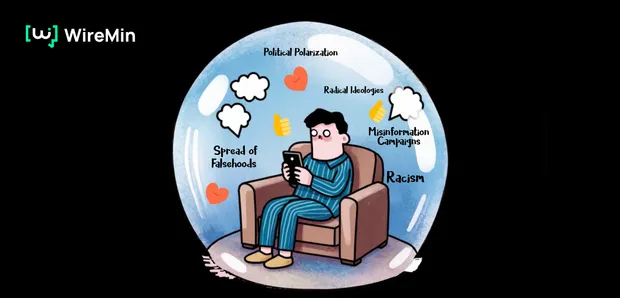
As trust erodes and manipulation becomes undeniable, more users are searching for a way out...
As algorithmic manipulation becomes more apparent, users are increasingly drawn to decentralized alternatives that are designed to return control to individuals.
The decentralized network shifts power from corporate servers to user-controlled nodes. This shift is made possible by technologies like blockchain (distributed digital ledgers that record transactions across many computers), peer-to-peer networking (direct computer-to-computer connections without central servers), and cryptographic identity (secure digital identities controlled by users not platforms).
Decentralized networks are truly "for the people, by the people, and of the people." Ownership rests with users—no one else can seize control. Every participant acts as a node that relays data, making the network more resilient and efficient as it grows.
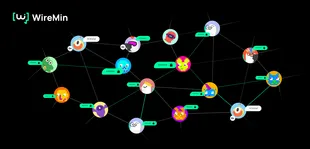
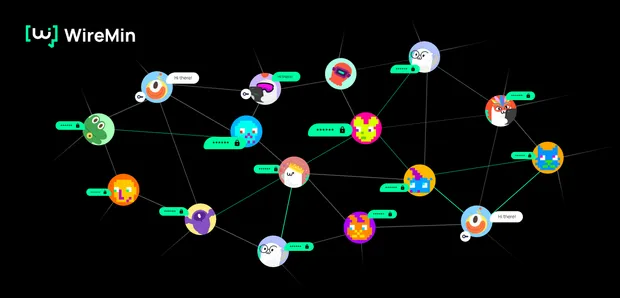
This setup fundamentally empowers users to own their data, avoid centralized censorship, and participate in platform governance. Rather than being subject to opaque algorithms controlled by platforms, users on decentralized platforms can control, choose or even customize their experience. This vision aligns with what users are increasingly demanding.
| User Desire | Decentralization Solution | Example Platforms & Features |
|---|---|---|
| Data Ownership & Sovereignty | Users own and control their personal data, rather than it being exploited as a commodity. | WireMin offers complete anonymity through decentralized identities. All messages are transmitted end-to-end encrypted, and all user data is stored locally on users’ devices, with no data collection. |
| Control & Self-Agency | Users choose or build algorithms shaping their feeds. | Bluesky lets users choose or even design the algorithms that govern their feeds, making content delivery transparent and customizable. |
| Freedom & Distributed Governance | No single entity can unilaterally censor content. | On Mastodon, moderation is handled at the instance level, with each community setting and enforcing its own rules. |
| Authenticity & Community | Focus on a genuine connection by minimizing commercial interference. | WireMin enables anonymous, privacy-first conversations that prioritize sincerity over visibility. |
| Direct Economic Opportunities | Creators can participate in value generation directly, without intermediaries. | Mirror enables peer-to-peer monetization through features like “crowdfund”. All contributions go straight to the creator, with transparent transactions. |
The promise is real, but the road ahead remains steep. Decentralized platforms still face significant technical challenges.
Scalability remains a primary concern, unlike centralized platforms that easily manage millions of concurrent users, decentralized networks often struggle under high loads, limiting their mainstream readiness.
User experience is another barrier. Many decentralized apps require a level of technical knowledge that average users lack. Their interfaces are often comprehensive compared to the interfaces of big tech services.
Interoperability adds further complexity. Seamless connections between decentralized services remain difficult to achieve, fragmenting the ecosystem and frustrating users seeking a unified experience.
Despite these challenges, the battle between algorithmic control and user autonomy is defining the internet's next chapter. The "pull" of decentralization is becoming too strong to ignore as users seek more authentic, transparent, and empowering digital experiences.
Individual users can start taking control back from the algorithmic grip by:
- Explore decentralized alternatives as supplements to mega-platforms
- Install browser extensions that reveal and limit algorithmic tracking
- Support legislation that promotes algorithmic transparency and user control
- Contribute to open-source projects that align with these values
The transition won't happen overnight, but each step toward user control helps build momentum. It's not just a technical shift, it's a movement toward reclaiming the web for users: a digital commons where people, not profit algorithms, determine what matters.